The price comes from the shop and can change. Check price, size and delivery on the shop's page before you order.
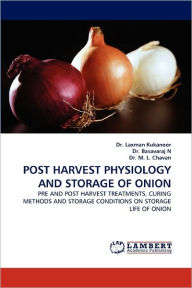
Onion is one of the most important commercial vegetable crop grown in India and believed to be originated in Central Asia. Onion is a seasonal crop and has comparatively low storage ability and bulbs are usually stored until the harvest of next season crop or for longer period due to seasonal glut in the market. Significant losses in quality and quantity of onion occur during storage. Storage of onion bulbs has, therefore, become a serious problem in the tropical countries. Pre-harvest application of MH @ 2500 ppm and carbendazim @ 1000 ppm + MH @ 2500 ppm 15 days prior to harvest resulted in minimum PLW, sprouting, maximum total sugars, dry matter content, marketable bulbs. The onion bulbs cured under 50 per cent shade (15 days)+ tops removed 15 days after harvest and sulphur fumigation for five minutes resulted in minimum PLW, sprouting, rotting, and maximum total sugar and dry matter contents. The bulbs stored under ZECC showed minimum PLW while, minimum sprouting, rotting and maximum total sugar and dry matter contents were recorded when the bulbs stored in low cost structure with maximum per cent of marketable bulbs which were on par with the improved storage structure.